
Call: 08071931145
 Send Inquiry
 Send Inquiry
Plastic Paraboloid Media
Price 150 INR/ Kilograms
MOQ : 25 Kilograms
Plastic Paraboloid Media Specification
- Surface Finish
- Smooth
- Heat Resistance
- Yes
- Density
- 0.94 Gram per cubic centimeter(g/cm3)
- Color Pattern
- Solid
- Plastic Type
- Polypropylene (PP)
- Melting Point
- ~160C
- Tensile Strength
- 26 MPa
- UV Resistant
- Yes
- Leak Protection
- Yes
- Type
- Plastic Paraboloid Media
- Material
- Plastic
- Shaping Mode
- Injection Molding
- Length
- 20 mm to 50 mm
- Weight
- Approx. 3-15 g per piece
- Hardness
- Shore D 75-85
- Plastic Molding Type
- Injection Moulding
- Color
- Red
- Size
- Standard/Custom
- Specific Gravity
- 0.93
- Corrosion Resistance
- Excellent
- Reusability
- Yes
- Design
- Engineered for maximum surface area
- Tolerance
- ±0.10 mm
- Porosity
- Low
- Shape
- Paraboloid
- Packing Type
- HDPE Bags
- Operating Temperature
- 0°C to 90°C
- Service Life
- 5-10 years
- Application
- Effluent Treatment, Water Filtration, Chemical Processing
Plastic Paraboloid Media Trade Information
- Minimum Order Quantity
- 25 Kilograms
- Payment Terms
- Cash in Advance (CID)
- Supply Ability
- 10000 Kilograms Per Month
- Delivery Time
- 7 Days
- Main Domestic Market
- All India
About Plastic Paraboloid Media
Plastic Paraboloid Media is a type of tumbling media used in mass finishing processes to deburr, polish, and clean surfaces of parts and components made of various materials, such as metals, plastics, ceramics, and composites. This is made of small, parabolic-shaped pellets that are typically made from polyester or polyurethane. Plastic Paraboloid Media is designed to be resilient and durable, yet gentle enough not to damage the surfaces of the parts being finished.
Innovative Design for Enhanced Filtration
Engineered with a unique paraboloid shape, Plastic Paraboloid Media maximize surface area while maintaining low porosity, enabling efficient particle capture during water and effluent treatment. The advanced geometry ensures thorough contact between media and fluid, enhancing contaminant removal in various industrial processes.
Durability and Chemical Resistance
Produced from polypropylene with a solid red color pattern and smooth surface finish, the media demonstrate exceptional resistance to corrosion, chemical attacks, and UV exposure. Their robust design guarantees a long operational life, even under challenging conditions with temperatures ranging from 0C to 90C.
Versatile Application and Easy Handling
Suitable for effluent treatment, water filtration, and chemical processing, these media are packed in HDPE bags for secure transport and storage. Their lightweight nature simplifies installation and maintenance, while the leaktight, reusable construction ensures sustainable operation over multiple cycles.
FAQs of Plastic Paraboloid Media:
Q: How are Plastic Paraboloid Media used in industrial effluent treatment?
A: These media are deployed within filtration systems to provide a large reactive surface for contaminant adsorption and breakdown. Their engineered shape and material properties optimize the removal of impurities from effluent streams in treatment plants.Q: What benefits do Plastic Paraboloid Media offer for water filtration processes?
A: The unique paraboloid geometry increases surface area for effective filtration, while low porosity and high chemical resistance enable reliable separation of particles with minimal maintenance. Their lightweight and reusable nature reduce operational costs over time.Q: When should Plastic Paraboloid Media be replaced during service?
A: Typically, these media last 510 years under normal conditions. Replacement is recommended when physical degradation, reduced efficiency, or damage is observed. Routine inspections can help determine the optimal replacement schedule.Q: Where can Plastic Paraboloid Media be sourced in India?
A: These plastic media are available through distributors, suppliers, traders, and wholesalers across India. They can be ordered in standard sizes or custom specifications, depending upon application requirements.Q: What is the recommended process for installing Plastic Paraboloid Media?
A: The media should be introduced steadily into filtration units according to manufacturer instructions, ensuring even distribution for optimal contact with the treated fluid. Their HDPE bag packaging enhances ease of handling and installation.Q: Is it safe to use Plastic Paraboloid Media in high temperature or chemically aggressive environments?
A: Yes, made from polypropylene with a melting point near 160C, these media resist temperatures up to 90C and offer excellent corrosion protection, making them ideal for demanding filtration and chemical processing scenarios.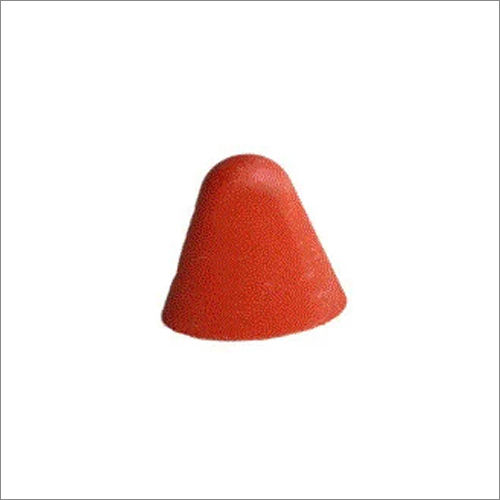
Tell us about your requirement

Price:
Quantity
Select Unit
- 50
- 100
- 200
- 250
- 500
- 1000+
Additional detail
Mobile number
Email

More Products in Plastic Media Category
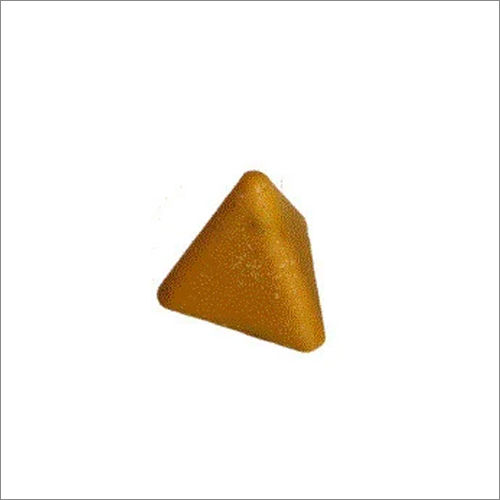
Plastic Tetrahedral Media
Price 150 INR / Kilograms
Minimum Order Quantity : 25 Kilograms
Shaping Mode : Injection Molding
Size : 40 mm
Weight : Approx. 5 grams
Length : 40 mm
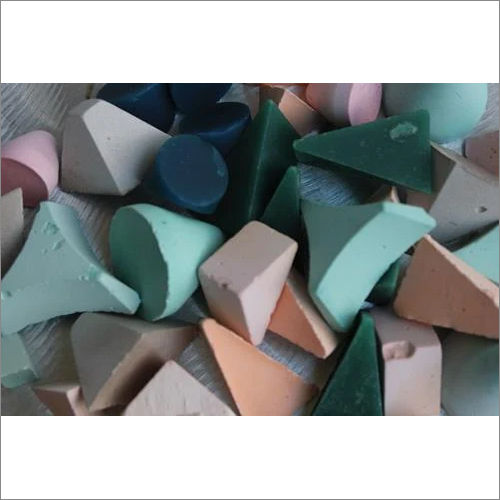
Resin Bonded Plastic Media
Price 150 INR / Kilograms
Minimum Order Quantity : 25 Kilograms
Shaping Mode : Molded
Size : Custom or Standard
Weight : 50500 g
Length : 20100 mm

Plastic Cone Media
Price 150 INR / Kilograms
Minimum Order Quantity : 25 Kilograms
Shaping Mode : Injection Molding
Size : Standard / Customizable
Weight : Approx. 810 g per piece
Length : 35 mm

Contact Details
KGH SCINDIA
GST : 27AKLPS1671A1Z6
- B- 104, Meenal Chhaya CHS Limited Almeida Road, Panchpakhadi,Thane - 400601, Maharashtra, India
- Phone :08071931145
 Send Inquiry
Developed and Managed by Infocom Network Private Limited.
